A hands on and long look at the Samsung Good Lock 2021. View the changes, check out all the modules and see what Good Lock is capable of this year!
Advertisement
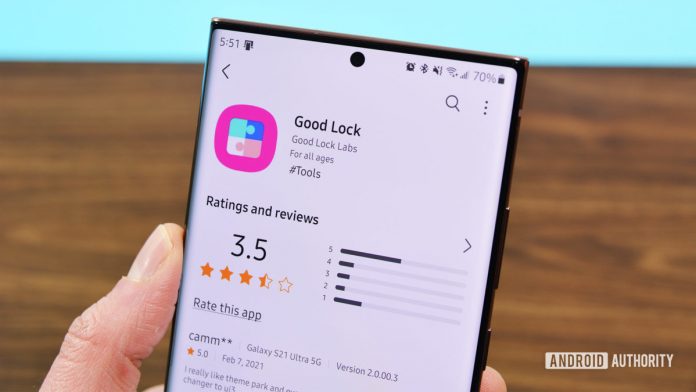
A hands on and long look at the Samsung Good Lock 2021. View the changes, check out all the modules and see what Good Lock is capable of this year!

In this pandemic stricken time, businesses and particularly service providers are trying their best to ease out the pressure on their employees. Falling on the same spectrum, Microsoft pushes for the new Microsoft Viva that is designed to act as a portal for both businesses and employees to navigate the complexities of telecommuting and distant work.
Microsoft figures Viva will help in this innovative computerised period of work. Viva isn’t an assistance or application, it is instead set up as a stage for improving distant work:
Jared Spataro, head of Microsoft 365 says:
“We need to stop thinking about work as place and start thinking about how to maintain culture, connect employees and harness human ingenuity in a hybrid world”
Spataro had predicted early on in the pandemic that it would forever change the way we work and learn, and that Microsoft Viva will be the very result of trends Microsoft has been witnessing.
Viva is intended for this new advanced and adaptable period of work, incorporating into Microsoft Teams and works instead of the prior intranet through gathering fundamental pieces of a business into one area. Microsoft separates Viva into four specific modules namely insights, learning, connections and topics.
Connections includes resources such as company policies, internal communications and benefits. It’s designed to be the portal you would go to if you just started at a given company and you have never met your colleagues due to the lockdowns. Viva Connection is designed on top of Microsoft’s Sharepoint technology that includes town halls, company news and employee resource communities or groups. Essentially, it’s a dashboard for connecting coworkers remotely.
Microsoft states Viva Insights will include data for leaders and managers to monitor work trends, patterns and that privacy shall be protected. Spataro says “ This means personal insights are visible only to the employee, while insights for leaders and managers are aggregated and de-identified by default to protect individual privacy”
Viva learning is Microsoft Viva’s third module, and as the name implies, it is about employee development and learning. This is the module where employers house courses, training materials and content for employee education. This includes content from Microsoft Learn, LinkedIn Learning and even an organisation’s own content along with training material sourced from third-party providers.
Viva’s last module is Topics which uses AI to automatically surface topics cards with videos, documents and organises content automatically. Viva Topics generates topics cards from apps such as Sharepoint, Teams and Office.
Microsoft launched Viva on Feb. 4, 2021, with parts of the platform to roll out within 2021.
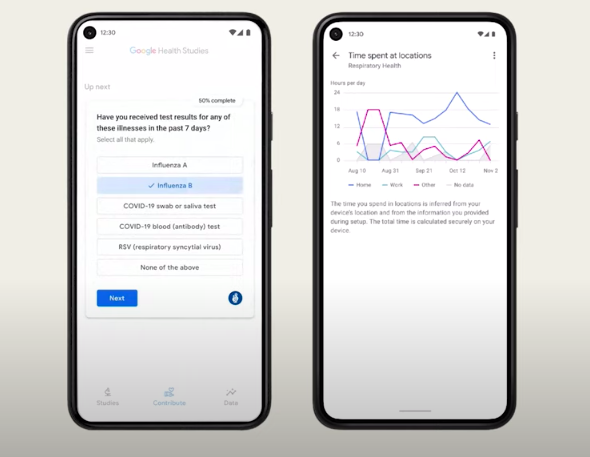
John Brownstein of Harvard Medical joins Jon Morgan, Google Health Product Manager, for a lively discussion on the Google Health Studies Android app and their partnership on the initial respiratory health
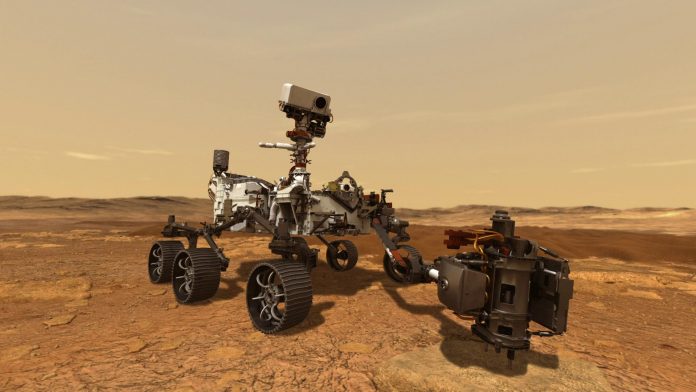
SAGANet and the NASA Astrobiology Program host a program called “Ask an Astrobiologist” once a month, where the public is invited to interact with a high-profile astrobiologist, who replies to Twitter, Facebook, and chat questions live on video.
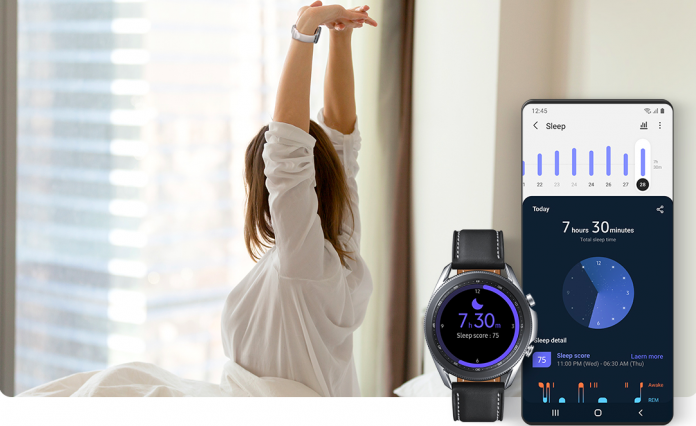
Sleeping better helps your body function better through the day. Here’s how Samsung Health with Galaxy Watch 3 can help you track and improve your sleep cycle.
Google’s Research Lead Dr. Alan Karthikesalingam shares perspectives on the ways AI can be utilised to improve cancer therapies with fellow expert and cancer patient
The SCORE Global Report 2020 is the first ever international assessment on the capacity of health information systems in over 133 countries. The report shows that while there has been progress , majority of countries are still lacking resources to monitor progress towards WHO’s Triple Billion Targets. The report was produced by WHO in collaboration with Bloomberg Philanthropies.
See live as NASA astronauts Michael Hopkins and Victor Glover venture outside the International Space Station. The spacewalk last for six and thirty minutes and the astronauts focus on completing antenna and cable
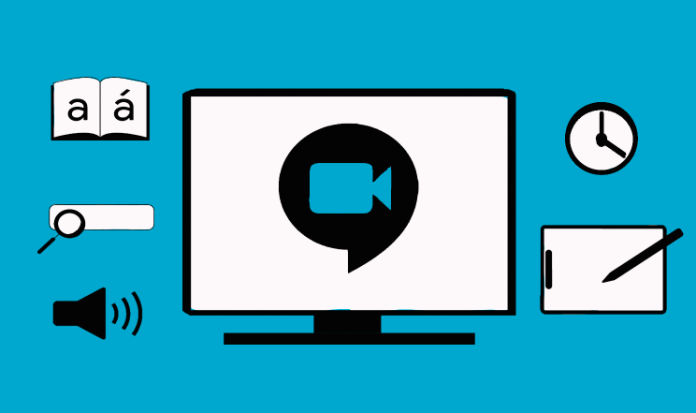
How far are you from the camera? Is your angle alright? Does your audio make you sound like you’re in an echo chamber or is it muffled? Maybe your microphone is accidentally muted? Is your lighting okay? Figuring out how you come across or sound during a video meeting can be quite the struggle.
Checking your tech and appearance before a video conference has been made more convenient with Google’s new “Green Room” feature. As you prepare to join a meeting, in the “Ready to join?” window that appears first. In the “Ready to join” window you will see a tiny button below your video that has “Check your audio and video”. Simply click on that tiny button, then a pop-up window will appear, showing your video image. The pop-up window also allows you to see and make adjustments with your live speaker, microphone and camera.
The pop-up window’s “Next” button then lets you record a 6-second video sample. The 6-second video will let you see how you will sound and look to the others in your video meeting. Google says, the clip will be private to you and will not be saved. Your speaker, mic , camera and connection will also be checked by the system and will get green check marks if they seem to be running smoothly.
While previously you can see how you appeared in the “Ready to Join?” window, Google Meet’s “green room” can be much more accommodating. As an example, you can test whether your laptop’s audio is better or worse than that in your headset’s. This new update also enables you to test all types of lighting and make sure that you look good in the right angle before your video meeting-with your friends, family or colleagues-begins.
Google Meet’s “Green Room” feature is available now.




Design Tech Digital is a platform for people who build, design, and operate modern organisations.
© 2026 Digital Media News Pty Ltd