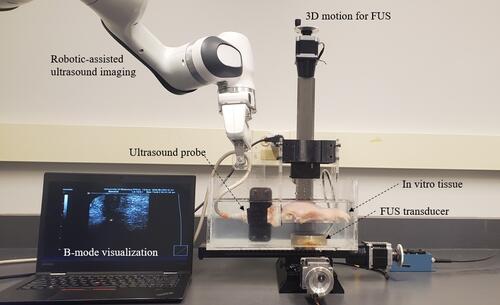
A schematic diagram of Safeghi Goughari's experimental setup. Image credit: University of Waterloo
University of Waterloo engineers have developed a new imaging system equipped with artificial intelligence (AI) to advance cancer treatment monitoring.
According to the university, the new imaging system will enable high-intensity, concentrated ultrasound to eradicate a broad spectrum of cancerous, often fatal, tumours more safely and effectively.
“We are addressing a huge challenge for focused ultrasound treatment,” explained project leader Moslem Sadeghi Goughari, a research associate in the university’s Department of Mechanical and Mechatronics Engineering. “Our imaging system can tell doctors exactly how much of a cancerous tissue is destroyed. And it’s the first AI-powered ultrasound technique developed for focused ultrasound treatment.”
Focused ultrasound treatment, used since the 1970s to treat prostate, breast, and liver cancers without incisions, uses high-frequency sound waves to heat and kill cancer cells, effectively eliminating the need for surgery.
However, while targeted ultrasound treatment can be performed as day surgery and provides for a faster, more pain-free patient recovery, it has significant limitations that restrict its widespread use. Because it is difficult to manage precisely, the treatment may mistakenly damage healthy tissue around a tumour or leave part of a tumour untreated, allowing cancer to spread.
Sadeghi Goughari and his three engineering colleagues believe that accurate monitoring of this therapeutic treatment, while it occurs, is the key to resolving these issues. They began creating their own system because there was no effective solution available.
Researchers used a focused ultrasound transducer and ultrasound imaging probe to deliver ultrasound energy to a targeted area, capturing images. Aligning the probe and transducer was crucial for proper monitoring, and a robotic arm was used to ensure alignment. This allowed for precise images even as the transducer moved during treatment, ensuring accurate monitoring of the tiny area being ablated.
An AI framework has been developed for software integration with ultrasound procedures. It can quickly compare ultrasound images before and after treatment, handling 45 frames per second. This system can detect treatment area changes in less than 22 milliseconds, allowing real-time monitoring of focused ultrasound treatment.
The system, which has a 93% accuracy rate, can detect the extent of a tumour’s destruction, allowing doctors to accurately measure the ablated area margin within micrometres. This could aid in better controlling focused ultrasound treatment, ensuring tumour destruction without causing damage to healthy tissue.
The team plans to enhance their research by expanding their method and real-time monitoring of the growth of a treated area during treatment.
Researchers have proven the possible use of multimode optical fibre to increase power in fibre lasers by three to nine times without compromising beam quality, allowing them to focus on distant targets.
UniSA Future Industries Institute researcher and research co-author Dr Linh Nguyen suggests the new approach to extract high power from fibre lasers, making them more useful for defence, remote sensing, and gravitational wave detection.
“High-power fibre lasers are vital in manufacturing and defence, and becoming more so with the proliferation of cheap, unmanned aerial vehicles (drones) in modern battlefields,” Dr Nguyen said.
“A swarm of cheap drones can quickly drain the missile resource, leaving military assets and vehicles with depleted firing power for more combat-critical missions. High-power fibre lasers, with their extremely low-cost-per-shot and speed of light action, are the only feasible defence solution in the long run.”
Dr Nguyen noted that this is known as an asymmetric advantage: by playing the large number, a less expensive approach can defeat a more expensive, high-tech system.
The advanced capability offers a strong deterrent effect, aligning with Defence Strategic Review and AUKUS Pillar 2 objectives through an asymmetric advantage.
Dr Ori Henderson-Sapir, project investigator at the UoA’s Institute for Photonics and Advanced Sensing, highlights Australia’s long history in developing innovative fibre optics technologies.
“Our research launches Australia into a world-leading position to develop the next generation of high-power fibre lasers, not only for defence applications, but to aid new scientific discoveries.”
The method has been demonstrated in fibre lasers, and the researchers will present their findings at Photonics West, the premier international conference on photonics technology, in early 2024.
Researchers from Monash University’s Faculty of Information Technology and CSIRO’s Data61 have developed the most efficient quantum-secure cryptography algorithm, ‘LaV’, to improve end-to-end encryption security, with potential applications in instant messaging services, data privacy, cryptocurrency, and blockchain systems.
End-to-end encryption is a method to secure digital communication between sender and receiver, ensuring no one, including communication system providers, telecom providers, internet providers, or hackers, can access the transmitted information between the sender and receiver.
According to Monash University, a large-scale quantum computer could break current encryption within minutes, allowing it to access encrypted information more easily than a normal computer or supercomputer, which would take millions of years to do so.
Dr Muhammed Esgin, lead researcher of the collaborative quantum security project co-funded by Monash University and CSIRO’s Data61, said the new cryptography tool will help make end-to-end encryption more secure, allowing online services to withstand future hacks or interference from the most powerful quantum computers.
“While end-to-end encryption protocols are quite well established and are used to secure data and messaging in some of the most popular instant messaging applications across the world, currently they are still vulnerable to more sophisticated attacks by quantum computers,” Dr Esgin said.
“This new cryptographic tool can be applied to various mobile applications and online transactions that use end-to-end encryption and is the first practical algorithm that can be used to fortify existing systems against quantum computers.”
Associate Professor Ron Steinfeld, research co-author and a quantum-safe cryptography expert, stated that current technology software is not being developed in anticipation of the emergence of more powerful computing devices.
“Over the past few years we have seen many significant cyberattacks and data leaks in Australia alone, clearly showing that we need to pay much more attention to cybersecurity and mitigate vulnerabilities in our systems before such vulnerabilities are exploited by attackers,” Associate Professor Steinfeld explained.
Associate Professor Steinfield said governments and Standards organisations worldwide are preparing for the potential emergence of large-scale quantum computers, which could potentially compromise encryption systems.
“Our past experience has shown the process of updating encryption algorithms deployed in existing online systems can also take a decade or more to complete. This means that we need to urgently start updating our cybersecurity infrastructure to use quantum-safe cryptography, to ensure our systems are protected before the approaching quantum threat is realised,” Associate Professor Steinfeld added.
The research, conducted in collaboration with Dr Dongxi Liu and Dr Sushmita Ruj from CSIRO’s Data61, was presented at Crypto 2023, the 43rd International Cryptology Conference, held in Santa Barbara, USA.
“The National Institute of Standards and Technology has been standardising methods like encryption and digital signatures to protect basic internet security in a post-quantum world. However, these measures are not enough to protect advanced security applications. Our research is filling this gap,” Dr Liu said.
“Our new algorithm has been implemented into code by Dr Raymond Zhao from CSIRO’s Data61 and is available open source.”
As the next step, the research team is advancing to develop a fully quantum-secure key transparency protocol that can be easily integrated into encryption applications.
AMD and Microsoftshowcased AMD products at Microsoft Ignite, including AMD Instinct™ MI300X accelerator, EPYC™ CPUs, and Ryzen™ CPUs with AI engines, enabling new services and compute capabilities in cloud and generative AI, Confidential Computing, and Cloud Computing.
“AMD is fostering AI everywhere — from the cloud, to the enterprise and end points devices — all powered by our CPUs, GPUs, accelerators and AI engines,” AMD AI Senior Vice President Vamsi Boppana said.
“Together with Microsft and a rapidly growing ecosystem of software and hardware partners, AMD is accelerating innovation to bring benefits of AI to a broad portfolio of compute engines, with expanding software capabilities.”
The AMD Instinct MI300X is featured in Microsoft’s new Azure ND MI300x v5 Virtual Machine (VM) series optimised for AI workloads, making Azure the first cloud to deploy the new accelerator. The new virtual machines are part of Microsoft’s diversified infrastructure, which supports AI innovation for organisations worldwide, giving customers more options for efficiency and scalability.
Meanwhile, 4th Gen AMD EPYC processors are currently being used to power a new generation of general-purpose, memory-intensive, and compute-optimised virtual machines. These new Microsoft VMs demonstrate the continued growth and demand for AMD EPYC processors in the cloud, with better price options, up to 20% better performance for general-purpose and memory-intensive VMs, and up to 2x the CPU performance for compute-optimised VMs compared to the previous generation of AMD EPYC-powered VMs. In the first quarter of 2024, the new VM series will be ready for public preview.
AMD has also introduced the Azure NGads V620 series of virtual machines (VMs) at Ignite, which are now available in general availability. These VMs are powered by AMD Radeon™ PRO V620 GPUs and 3rd Gen AMD EPYC CPUs. They are designed for workloads requiring more GPU resources per VM, supporting more demanding workloads or more users per VM. The NGads V620 offers a great experience for gaming, VDI, and rendering.
Additionally, AMD showcased the success of Ryzen AI, the first dedicated AI accelerator on an x86 processor. With over 50 Ryzen 7000 Series processors with Ryzen AI built in, millions of AMD AI PCs are available. AMD and Microsoft have partnered to enable Windows Studio Effects on Ryzen AI PCs, and AMD continues to collaborate with software developers.
More than 50 free and ticketed AI-related events hosted by over 40 organisations will take place across the country. Image credit: CSIRO
Australia has launched its first-ever AI Month, with the CSIRO calling on Australians to help shape the country’s AI future.
AI Month, which runs from 15 November to 15 December, is an initiative of the National AI Centre (NAIC), which is part of Australia’s national research organisation, CSIRO.
The initiative will unite top AI organisations, entrepreneurs, and researchers to showcase Australia’s domestic AI expertise and facilitate discussions on Australian perspectives on AI.
National AI Centre Director Stela Solar emphasised the importance of AI Month in fostering a responsible and inclusive AI future for Australia.
“The rapid advancements in AI this year have emphasised the need for Australia to seize the AI opportunity and accelerate its global competitiveness,” Solar said.
“This month we are encouraging everyone to join in the important conversations to make the AI opportunity real. Together we can shape a responsible and inclusive AI future for Australia,” she added.
Over 50 AI-related events by 40 organisations will be held across Australia, featuring workshops, panel discussions, hackathons, and conferences to showcase AI use cases, opportunities, best practices, and the strength of Australia’s AI industry.
“AI Month is a moment to learn new things, sharpen your skills, and step into the AI opportunity,” Solar stated.
Australia’s Minister for Industry and Science, Hon Ed Husic, officially launched Australia’s AI Month at the opening of Friend or Foe – The Rise of Artificial Intelligence exhibition by Australian technologist and artist Luke Millanta.
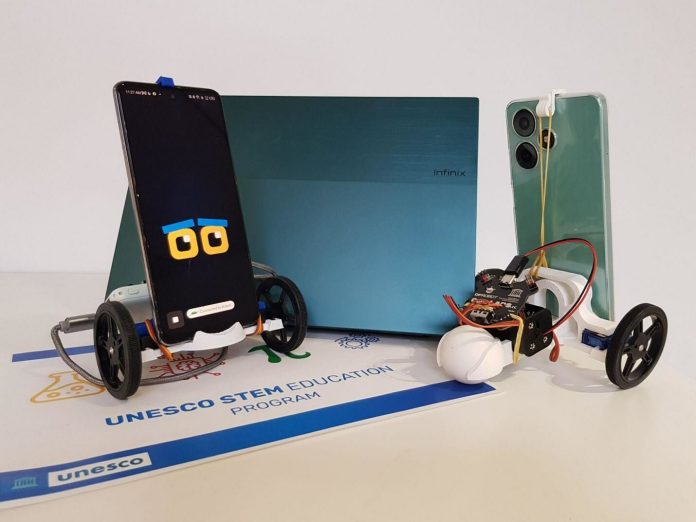
Infinix provides device support for the UNESCO CogLabs Workshop. Image credit: Infinix
Infinix has partnered with UNESCO to support Science, Technology, Engineering, and Mathematics (STEM) education with the CogLabs program.
Educational robots in the market often have high costs, complexity, numerous options and sensors, and closed software and hardware systems.
The CogLabs program aims to inspire the next generation of creators by offering hands-on experiences in robotics and machine learning. It enhances AI awareness and makes machine learning enjoyable. Children learn to build robots using 3D printable parts, smartphones, and basic electronic parts. UNESCO’s STEM program adopted the educational robot kit. Google collaborated with UNESCO to launch CogLabs in 2021, available in English, Spanish, and French across Africa, Latin America, and Southeast Asia.
Infinix is partnering with UNESCO to enhance its Educational Robot program by providing technological support, including smartphones and laptops, for UNESCO CogLabs workshops, focusing on empowering youth.
“We’re thrilled to partner with Infinix for the global rollout of the CogLabs STEM program. This powerful initiative introduces kids worldwide to AI and robotics, aligning perfectly with our mission to make STEM education universally accessible. Witnessing the transformative impact on students’ confidence and creativity is incredibly rewarding. Initially intimidated by these intricate subjects, students quickly discover their capabilities, fostering innovative problem-solving skills. Equally inspiring is the enthusiasm of teachers embracing the CogLabs program. Recognizing the potential of AI and robotics to revolutionize education, they eagerly expand their knowledge to empower the next generation.” said Joan Nadal, Master Trainer for UNESCO CogLabs Workshops and Designer of the original E3bot.
Infinix Mobility CEO Benjamin Jiang commented, “Infinix wholeheartedly embraces transformative technology to enhance lives. Our partnership with UNESCO is dedicated to broadening horizons for joyful learning and exploring robotics. Together, we aim to make technology education accessible and enjoyable for everyone.”
The three-day on-site training program will cover machine learning, visual coding, 3D design techniques, 3D printer setup and operation, and hands-on experience with the E3bot, ensuring comprehensive learning and practical application.
Workshops have been conducted in 35 countries, empowering educators and students, and planning for 2024 to further fuel the next wave of innovators.
Chatbots have been around the digital landscape for a while now, but the tool gained more popularity when artificial intelligence (AI) was added to the mix. With the birth of conversational AI, followed by the release of OpenAI‘s ChatGPT in late 2022, AI chatbots came to light.
Since then, AI chatbots have been gaining more popularity, with more and more chatbots popping up on the market, offering a variety of ways to help people in various industries achieve their goals.
Despite these tools’ huge advantages, the technology remains confined to specific use cases. That’s why knowing your different AI chatbots and their uses can help elevate your digital experience even more.
What are AI chatbots?
IBM describes chatbots as computer program that mimics human conversations and enables users to find information by asking or requesting it without human intervention or manual research.
Meanwhile, AI chatbots utilise various AI technologies, including machine learning, natural language processing (NLP), and natural language understanding (NLU), to optimise responses and interpret user questions. Deep learning capabilities make these chatbots more accurate over time, allowing humans to interact with them naturally and freely without being misunderstood.
AI chatbots and how to use them
ChatGPT
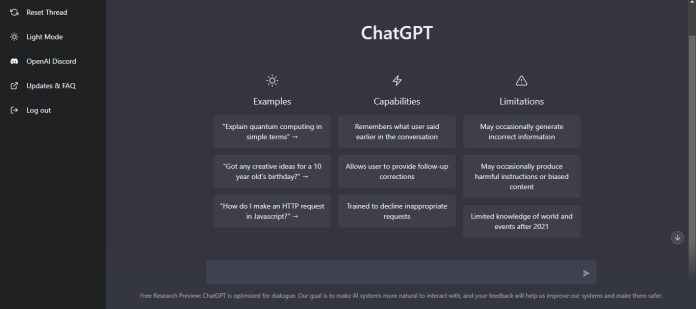
ChatGPT is a large language model-based chatbot that enables users to engage in conversations, gain insights, and automate tasks. The bot features writing, coding, research, and analysing capabilities, among other use cases.
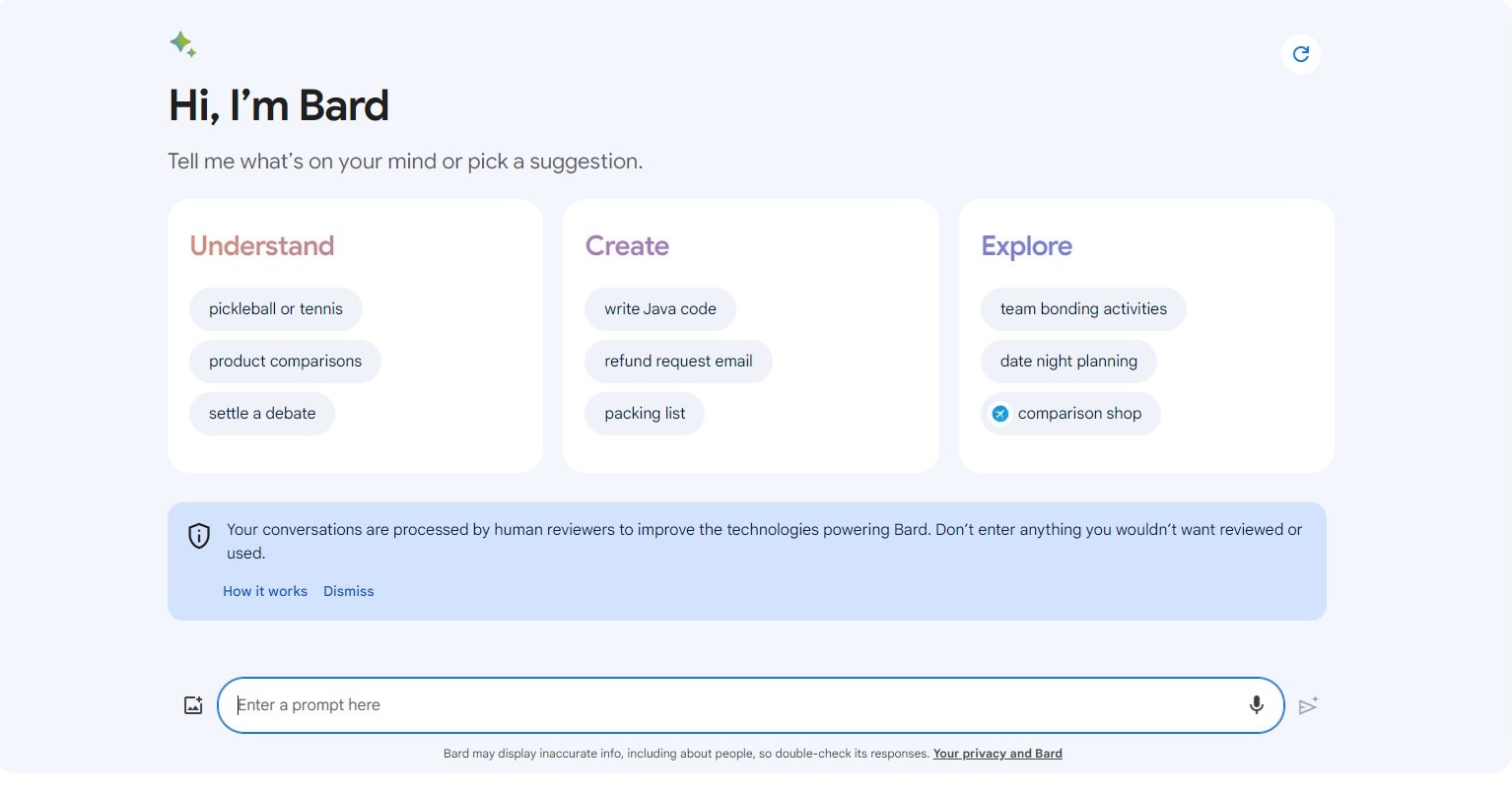
Bard is a conversational generative AI chatbot developed by Google. Bard currently has various use cases, such as writing code, generating images from the web, and reading responses aloud.
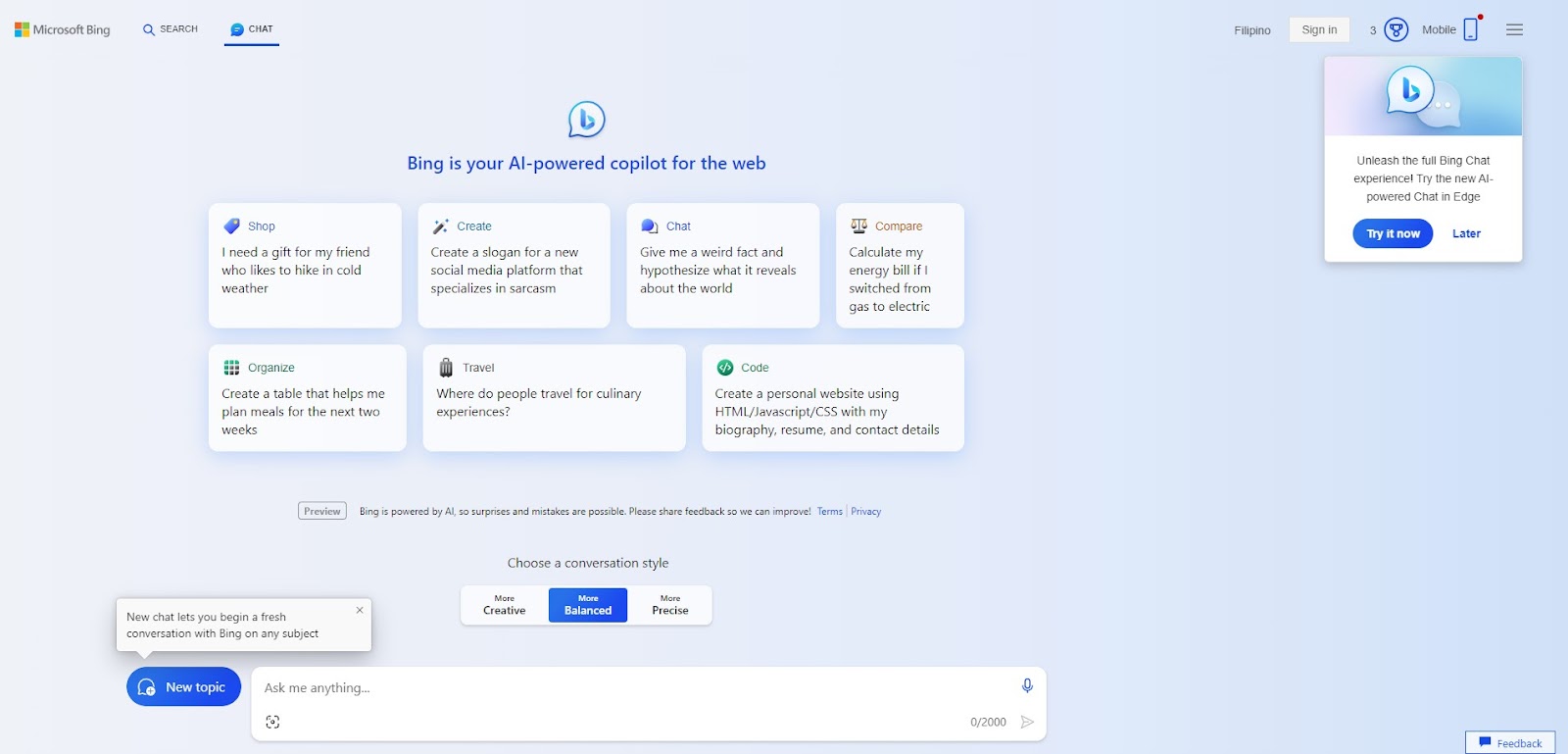
Developed in partnership with OpenAI, Microsoft’s Bing is an AI-powered ‘research assistant’ that delivers a single, detailed response to user prompts.
Additionally, Bing has an image creator tool where users can prompt it to create an image of anything they want.
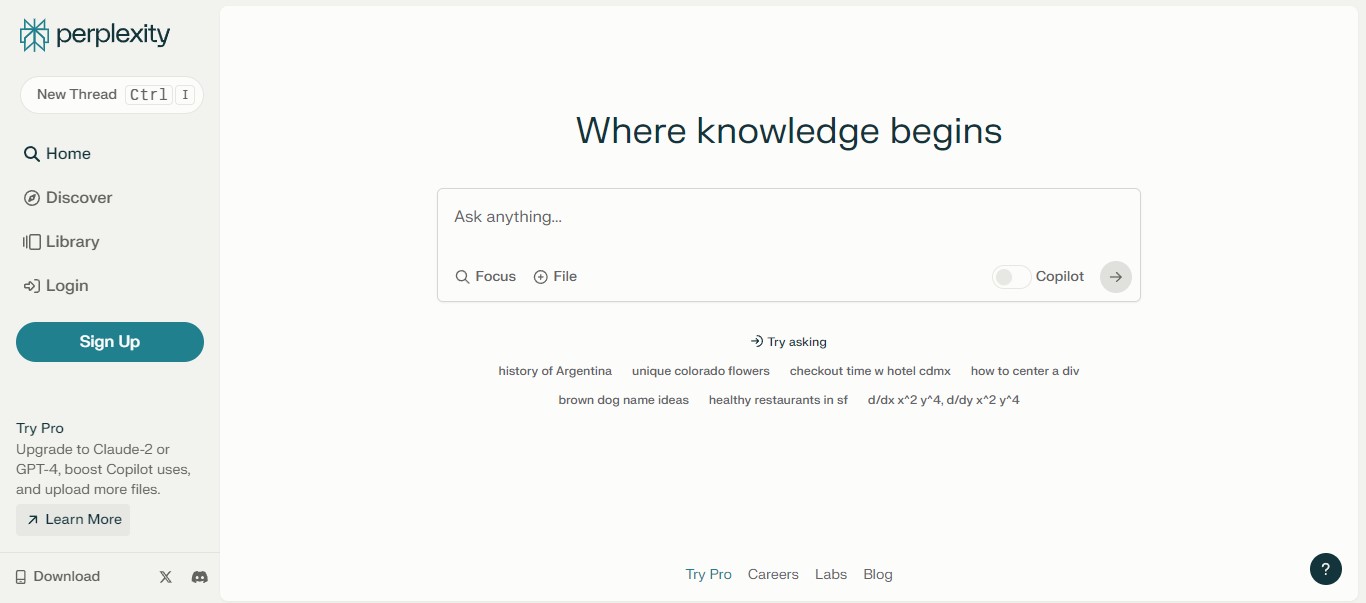
Perplexity AI is an AI-powered search engine and chatbot that uses natural language processing and machine learning to provide accurate and comprehensive answers to user queries. It is designed to search the web in real-time and offer up-to-date information on various topics with sources.
Jasper Chat is a content creation powerhouse with features such as summarising texts, generating paragraphs and product descriptions, as well as checks for plagiarism and grammar. Jasper also offers AI templates for various content types, such as YouTube video scripts, blog posts, LinkedIn profiles, and many more.
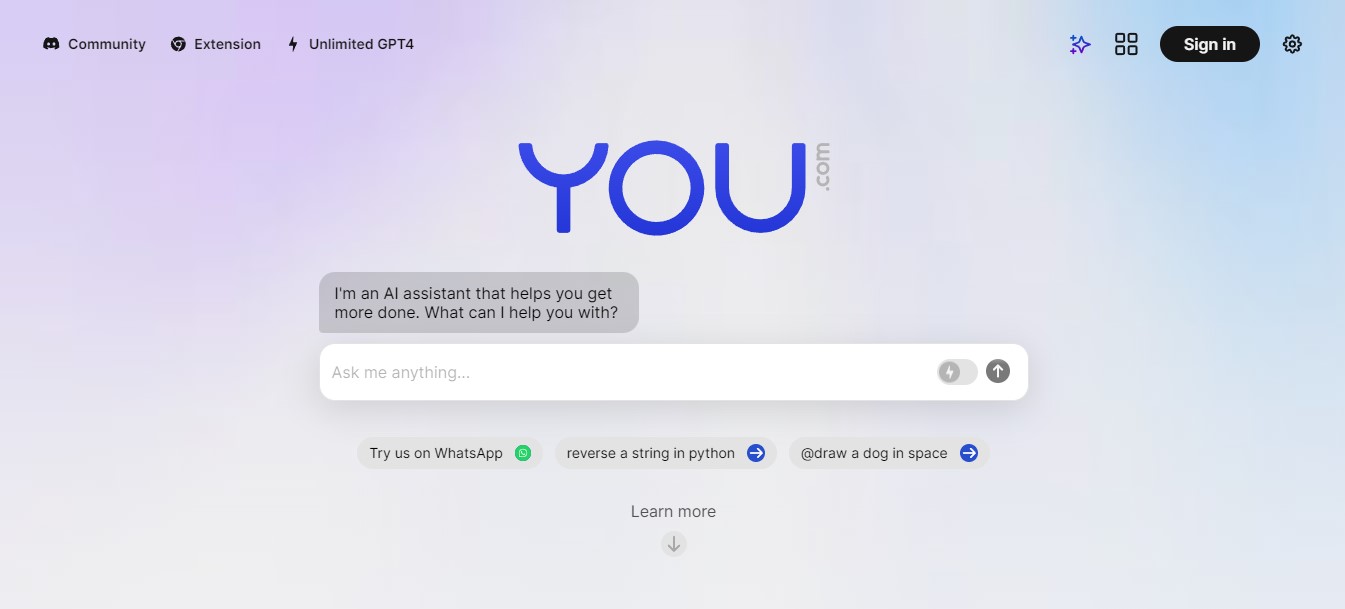
You.com is an AI-powered search engine with a chatbot, YouChat, that uses powerful search algorithms to understand user queries, provide accurate, context-aware answers, and interact with prompters to surface web results and create custom answers.
Chatsonic is a reliable AI chatbot that provides up-to-date information on current events, thanks to its Google support. It offers answers and stories related to current news, unlike ChatGPT’s limited database. Chatsonic also includes footnotes with source links, a significant difference from ChatGPT. It is powered by GPT-4, OpenAI’s latest model. Other features include voice dictation and AI image generation.
Huawei held the 5G Smart Factory Forum in Budapest, highlighting the potential applications of 5G-powered solutions like self-driving vehicles, AI-driven quality control, and AR-assisted remote maintenance in future smart factories.
Huawei plans to promote the inclusion of innovative 5G solutions for Industry 4.0 infrastructure in the Global Alliance on AI for Industry and Manufacturing (AIM Global), launched by the United Nations Industrial Development Organization (UNIDO), to drive widespread adoption of 5G and AI technologies in Industry 4.0 fields.
Huawei’s Vice Director of the Global Corporate Communications Department Vicky Zhang said that in its fourth year of commercial use, 5G, AI, and cloud computing technologies are used in various industries, especially in smart manufacturing. Mature best practices, like HESC in Páty, demonstrate these innovative applications’ tangible business and social value.
“Next, Huawei will work with international organizations like UNIDO to promote the sharing and application of 5G industrial infrastructure solutions and related capabilities around the world, in order to drive the development of Industry 4.0,” Zhang stated.
Huawei and UNIDO launched AIM Global in July to foster collaboration, knowledge-sharing, and AI technology innovation in the industrial and manufacturing sectors.
Germany’s University of Hohenheim Professor Dr Ulrike Fasbender identifies HESC as a prime example of the rapid development and innovation fueled by digitalisation.
“The impact of digital solutions such as augmented reality and autonomous forklifts enabled by 5G connectivity are a true game-changer for workplaces. If done right, these technologies let employees solve tasks more efficiently while shielding them from strenuous and unhealthy tasks. Such improved working conditions will be crucial for employability as the average age of the working population increases,” Dr Fasbender stated.
Dr Fasbender emphasised that countries and companies that neglect technology risk losing competitiveness in the digital economy and that an economy’s dynamicity relies on industry-serving ecosystems.
HESC Deputy Director commented, “HESC first deployed 5G-powered automation solutions at the end of 2019. Since then, we have integrated a dedicated core network with the local edge computing system to realize self-driving forklift trucks and the full automation of the entire logistics system. In addition, AI-driven quality control and AR-assisted remote maintenance have improved the logistics efficiency of our entire campus by 20%, greatly enhancing Huawei’s ability to serve its European customers.”
“Moving forward, Huawei will leverage its strengths in R&D, digital technologies, and supply chains to strengthen collaboration with all players across supply chains. We will also help empower local companies to enhance the adoption of digital and intelligent technologies during their production and operations, so that we can achieve high-quality development together,” he added.
HESC, based in Hungary, is Huawei’s largest supply centre outside China, supplying products to over 50 countries in Europe, Central Asia, and Northern Africa. It handles 50,000 to 60,000 items monthly and transports an average of 400 cubic meters of outbound cargo daily.
IBM and VMware are collaborating to integrate IBM watsonx into on-premises environments on VMware® Private AI and Red Hat® OpenShift®, facilitating swift and transparent generative AI capabilities.
According to IBM, AI adoption has become mainstream in enterprises for transformative innovations, particularly generative AI. This technology generates new content based on various inputs, with use cases ranging from code generation to contact centre resolution, IT operations automation, information retrieval, and content creation.
AI use cases rely on data, but access and processing required data are crucial for optimal results. Enterprises need compute capacity and AI models to support traditional AI, machine learning, and generative AI workloads. They also need access to a full technology stack that allows for enterprise-grade requirements, such as confidential computing and the ability to train, tune, and deploy AI models in one place, running across cloud environments.
Private AI is an architectural approach that balances business benefits with organisational privacy and compliance needs. It focuses on platform and infrastructure architecture for AI deployed in public, virtual private clouds, data centres, and edge sites.
IBM and VMware are partnering to enable generative AI use cases in mission-critical operations. The partnership will allow enterprises to access IBM watsonx in private, on-premises IaaS environments and hybrid cloud with watsonx SaaS offerings on IBM Cloud®. IBM watsonx AI capabilities, data management features, and governance capabilities will help enable transparent and explainable AI models, enhancing the flexibility of enterprises.
VMware Private AI is now available in hybrid multi-cloud deployments, allowing clients to bring watsonx on-premise for VMware-deployed workloads using Red Hat OpenShift. Mutual clients can access watsonx’s full spectrum of products for AI acceleration and scaling. IBM Cloud Satellite can automate deployment and day two operations of VMware Private AI with OpenShift environments.
The collaboration comes after the parties established the IBM and VMware Joint Innovation Lab, a co-innovation engine designed to solve client issues by developing new offerings for the market.
VMware and IBM are collaborating to create a validated reference architecture for hybrid cloud and on-prem environments for mutual clients to use, subject to regulation for ML model training and fine-tuning, including large language models for generative AI use cases. This could prevent data transfer restrictions or significant data size issues, making it impossible to transfer data between locations.
Earlier this year, IBM Consulting established a Center of Excellence for generative AI, with over 1,000 specialised consultants. They are working with global clients to boost IT operations, HR, marketing, and customer experiences while also developing new business models.
The Centre of Excellence for generative AI, combined with IBM Consulting’s VMware expertise and service capabilities, will expedite clients’ business transformations with enterprise-grade AI on the VMware Private AI reference architecture.
Additionally, IBM Consulting plans to integrate IBM Watsonx and VMware Private AI services into its Cloud Accelerator to accelerate cloud transformation. The integration will aid in reverse engineering, code generation, and conversion, enabling seamless hybrid cloud management services for clients looking to modernise their workloads.
The partnership aims to enable clients to adopt hybrid cloud through flexible consumption models and modernise mission-critical workloads. IBM Consulting will be a strategic partner on this journey, providing clients with the choice to integrate generative AI technologies with VMware Cloud Foundation. This will enable enterprises to quickly train and deploy custom AI capabilities while maintaining data control. IBM Consulting will guide clients in leveraging VMware’s software innovations in a unified stack for a consistent environment with IBM Cloud partner technology.
In 2023, retailers are facing challenges on multiple fronts. Consumers are increasingly fragmented by generation, spending power, life stage, and attitude, and the impact of inflation and other economic pressures have increased the importance of value. Competitively, there is a continued blurring of lines between retailers and brands, online and offline, and in the boundaries that used to divide one type of retailer from another. Retailers can also face cost pressures in both raw materials and internal operations, continued supply chain disruptions and – perhaps most significantly – intensifying pressure to become more sustainable.
Consumer wallet share can be won by driving a personalized, seamless shopping experience; addressing consumers’ purpose and value drivers; increasing overall supply chain effectiveness to match supply with demand; building a sustainability strategy into their business; and modernizing the enterprise with hybrid cloud and AI technologies playing a critical role.
Creating a personalized hybrid retail experience
Consumers’ shopping journeys have drastically changed over the last few years to a new “hybrid shopping” model splintered across multiple digital, physical, and mobile touchpoints. Equally, we’ve seen the re-emergence of “micro moments” – describing how consumers shop whenever and wherever the mood strikes them, often while doing other tasks. What is clear is that consumers are wanting retailers to meet them where they are on their shopping journey.
Increased fragmentation means that consumers can no longer be classified into broad demographic or geographic groups. To compete for consumer wallet share means retailers need to reimagine customer experience that enables people to build their own shopping journey based on preferences related to their age, values, the product category, and more. According to new findings from IBM, commissioned by Morning Consult, at a base level shoppers want brands that offer convenience, high-quality customer service, and a sense of control and security in their (online) purchases.
Over the last three years, hybrid shopping – combining physical and digital in the same journey – has become the norm for most consumers. There is now an opportunity to further extend that hybrid shopping experience, incorporating more digital elements into the store, enabling store and contact center associates to sell and serve customers, and exploring new digital touchpoints such as social and/or the metaverse. Digitally enabling stores and associates is a good starting point and the metaverse offers retailers and brands many opportunities beyond new customer experiences, from product innovation to operations, manufacturing to commerce, and employee training and support. For more on the opportunities in the Enterprise Metaverse, check out this recent Expert Insight from the IBM Institute for Business Value (IBV).
Manage supply risks and costs with an intelligent supply chain
In 2023, we expect global supply chain leaders in the retail industry to continue facing challenges like external supply shocks, sustainability concerns, inflation, and complex supplier networks that are contributing to high operational risk and costs and can jeopardize consumer trust. Consumers have reacted to this by becoming more diverse in their purchasing choices, how far they drive to buy, and costs of goods related to transport – for example, buying local produce could be less expensive due to transportation costs.
Chief Supply Chain Officers (CSCOs) surveyed in the recent IBM Institute for Business Value (IBV) CSCO report say that they view issues related to supply chain disruptions, technology infrastructure, sustainability, and market shifts are their greatest challenges over the next few years. And now, more than two years into the pandemic, more retailers are rethinking their strategies and exploring how a regionalized supply chain network might help them meet their customers’ needs better.
In this case, AI and automation can power intelligent workflows across supply chains, delivering 360-degree insights and impact analysis that provide interconnectivity and help make more accurate predictions. For example, AI can help forecast supply and demand so retailers can more effectively determine sourcing and regionalization of their supply chain strategy. Retailers can also use AI for workforce support and customer facing chatbots to better serve their customers in a data-led future.
Winning the purpose-driven, value conscious shopper with sustainable operations
As more consumers align their purchases with their values, retailers and brands that can provide more environmentally friendly options could potentially earn a greater share of consumer spend. Recent data has illustrated the importance of combining sustainability and value. For example, data from the IBM IBV 2020 consumer survey showed that while over 70% of surveyed consumers would pay a premium for sustainable brands; new 2023 data from IBM shows only 52% of surveyed consumers would pay a premium. While consumer demand for sustainability, health, and wellness continues to be high on consumer agenda, it is now competing with value in a way that it was not during the COVID-19 pandemic.
Retailers can seek to demonstrate sustainability in their stores, products, logistics, packaging, and waste to win and retain the growing market of green shoppers. Achieving this, however, may require stitching together data across the value chain, extrapolating ESG impact, embedding it into a sustainability strategy that is aligned to business outcomes, and operationalizing that strategy with an end-to-end set of technology solutions.
Scaling innovation rapidly with hybrid cloud and an open ecosystem
In the year ahead and beyond, retailers and their partners should drive better efficiency and costs by scaling innovation across their businesses. Much of our work with retail clients is in this area: scaling transformational innovation in customer experience, operations and supply chain, and enterprise modernization, with technologies such AI/ML, data fabric, and hybrid cloud.
A hybrid cloud architecture offers the flexibility retailers need to take advantage of data, AI, and automation to meet consumers where they are, transform their business models and drive sustained growth. Retailers can also collaborate with technology partners like IBM to work with ecosystem partners to help them modernize applications and migrate mission critical workloads to the cloud.
Article by Bob Buttermore, Senior Vice President and Chief Supply Chain Officer, Rockwell Automation
For decades, decisions about manufacturing location were heavily influenced by labour...
Article by Steven Fong, Corporate Vice President, APJ Embedded Business AMD
Artificial intelligence is entering a new phase—one that extends beyond digital productivity into the...
Manufacturing teams could use expanded artificial intelligence (AI) capabilities to automate repetitive tasks and connect product data across the lifecycle, according to Autodesk.
The company...
Engineers Australia has called on the Federal Government to place engineering and technical expertise at the centre of Australia’s approach to artificial intelligence (AI),...
Wurth Australia is investing in automated order fulfilment at its Yatala, Queensland and Keysborough, Victoria distribution facilities through a new partnership with supply chain...